Biological multisite

Compatibility and ease of use

Registered for a wide range of targets




Biological multisite fungicide and bactericide


Scientific name: Bacillus velezensis
MAPA registration: 43418
Biological multisite fungicide and bactericide
Colletotrichum gloeosporioides
Colletotrichum lindemuthianum
Colletotrichum truncatum
Xanthomonas citri subsp. citri
Cercospora coffeicola
Phakopsora pachyrhizi
Hemileia vastatrix
Corynespora cassiicola
Pseudomonas syringae pv. garcae
Xanthomonas vesicatoria
Phaeosphaeria maydis
Ramularia areola
Sclerotinia sclerotiorum
Botrytis cinerea
Uncinula necator
Pseudomonas syringae
Alternaria solani
Sclerotinia sclerotiorum
Colletotrichum acutatum
Aspergillus ochraceus
Colletotrichum falcatum
Phoma costaricensis
Bio-Imune® is a biological multisite fungicide and bactericide formulated with the BV02 isolate of the bacterium Bacillus velezensis, offering broad-spectrum action against foliar diseases.
Bio-Imune® can be applied to all crops where the biological targets occur.
Biological multisite
Compatibility and ease of use
Registered for a wide range of targets
Bio-Imune® is a microbiological fungicide and bactericide with a broad spectrum of action, recommended for foliar spray application. Its use is authorized for the control of the biological targets listed below in any crop where they occur, whether or not the crop is mentioned on the product label. Its formulation contains metabolites and enzymes produced by the microorganism Bacillus velezensis BV02 during its natural multiplication process, which act in plant defense through multiple mechanisms of action. Lipopeptides (iturins, surfactins and fengycins) and the enzymes chitinase, lipases, proteases and β-1,3-glucanase present antifungal and antibiotic properties, contributing to biofilm formation, degradation of the pathogen’s cell wall, and reduction of spore permeability, preventing germination or causing rupture.
Ground application:
Application should be carried out using a backpack sprayer, tractor-mounted boom sprayer or airblast sprayer, calibrated to operate with constant pressure and spray volume. Equipment must be fitted with nozzles that minimize drift and promote uniform coverage, according to the manufacturer’s recommendations.
Aerial application:
For foliar applications, use an agricultural aircraft equipped with spray nozzles or rotary atomizers that ensure uniform coverage, following the manufacturer’s recommendations.
Drone application:
For foliar applications, use agricultural spraying drones equipped with spray nozzles or rotary atomizers that ensure uniform coverage, following the manufacturer’s recommendations. Apply a minimum spray volume of 10 L/ha. For this application method, the use of the adjuvant Naft® is recommended at a rate of 50 to 100 mL/ha.
Follow the application technology recommendations provided by the responsible agronomist.
Product for agricultural use only. PRODUCT NOT CLASSIFIED and LOW ENVIRONMENTAL HAZARD (CLASS IV). Always consult an agronomist and follow all instructions correctly. Integrated pest management is highly recommended. Read the label and ensure that anyone handling the product understands it. When handling the product, use the personal protective equipment specified on the label and leaflet. Packaging must be delivered to inpEV collection units.

Check out some related products below

Premiação do MAPA é reconhecimento às empresas que desenvolvem práticas de ética, sustentabilidade, integridade..

A Vittia, empresa brasileira referência em soluções para a agricultura, lança uma websérie documental..

A Companhia apresenta ao mercado seu novo posicionamento –Sou Raiz, Sou Vittia– e a..
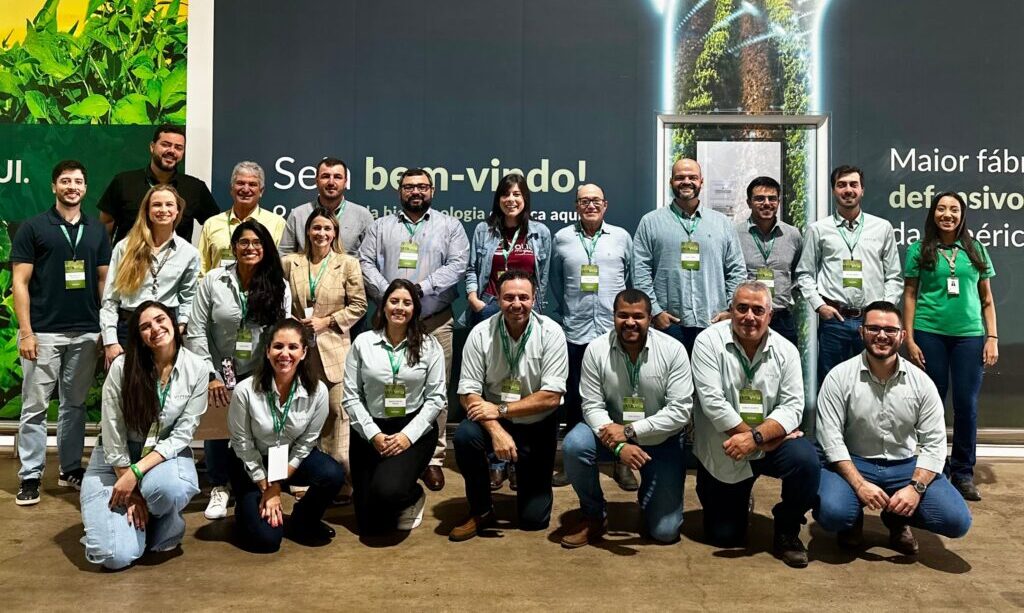
Com o conceito “escutamos quem vive o agro todos os dias”, a iniciativa estreita..
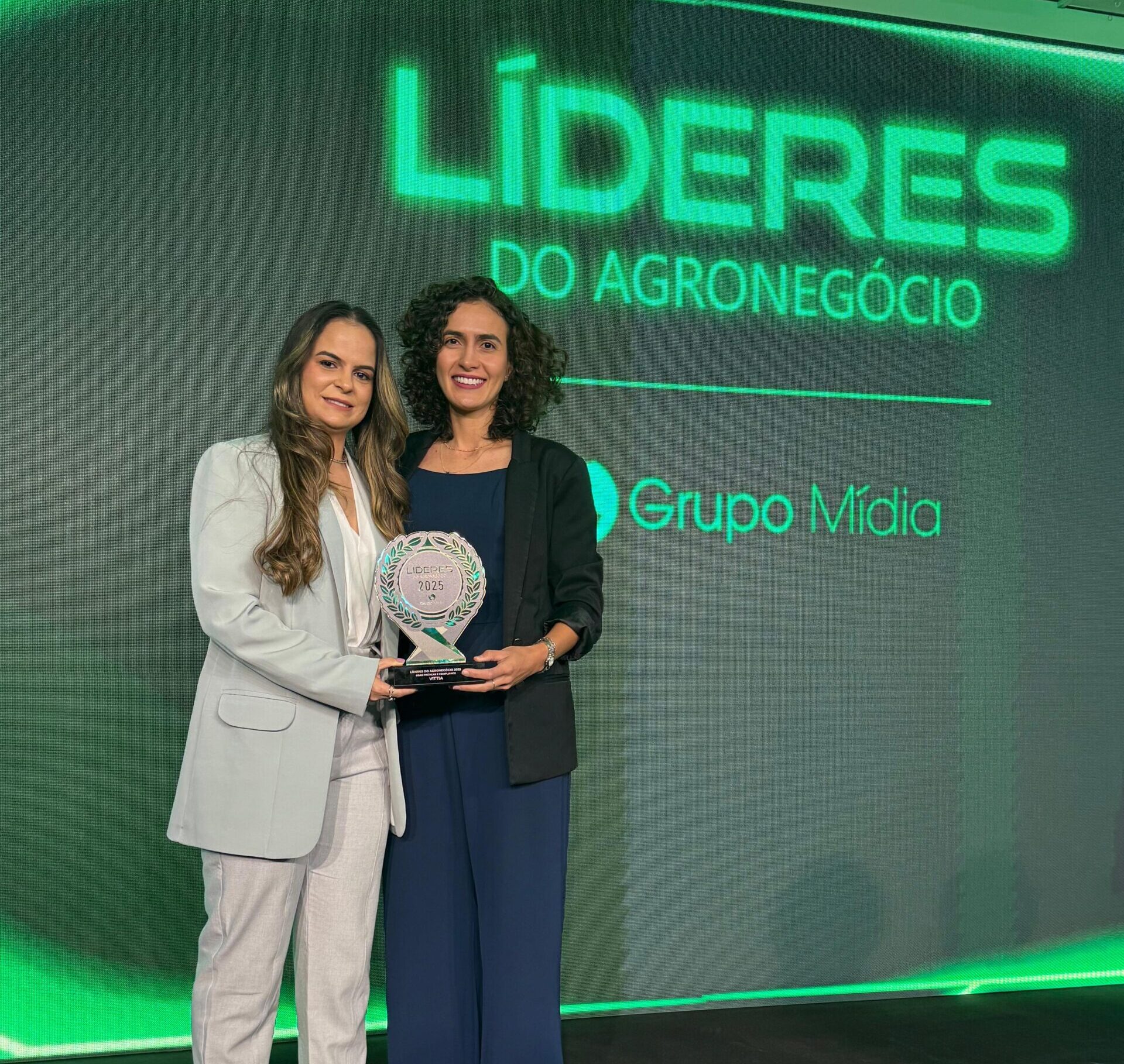
Ribeirão Preto (SP), outubro de 2025 – A Vittia, empresa 100% brasileira e referência..
Get answers to your questions about the use and benefits of our products.
Bio-Imune® is a biological multisite bactericide and fungicide formulated with the Bacillus velezensis isolate. It controls a wide range of diseases in different crops while strengthening the plant’s natural defenses, contributing to more productive and sustainable fields.
The term “biological multisite” indicates that the product acts on several metabolic points of pathogens, making it harder for fungi and bacteria to develop resistance. In the case of Bio-Imune®, this effect occurs due to the action of the microorganism Bacillus velezensis BV02, which presents a series of complementary modes of action.
The bacterium produces secondary metabolites such as lipopeptides, hydrolytic enzymes, and antimicrobial compounds that destroy cell walls and block vital processes of disease-causing agents. It also competes for nutrients and space and induces systemic resistance in plants.
This multi-mechanism action ensures broader control and greater safety in phytosanitary management.
Application is recommended preventively, before symptoms appear or before the pathogen becomes established in the area. Early use allows the microorganism or biological compound to settle on the plant surface, forming a protective barrier and promoting microbiological balance in the cultivation environment.
No. The product has zero pre-harvest interval, meaning it leaves no chemical residues. It can be applied even close to harvest, ensuring food safety and compliance with certification and export programs.

Cadastre-se no formulário ao lado e receba todas as novidades da nossa Newsletter.